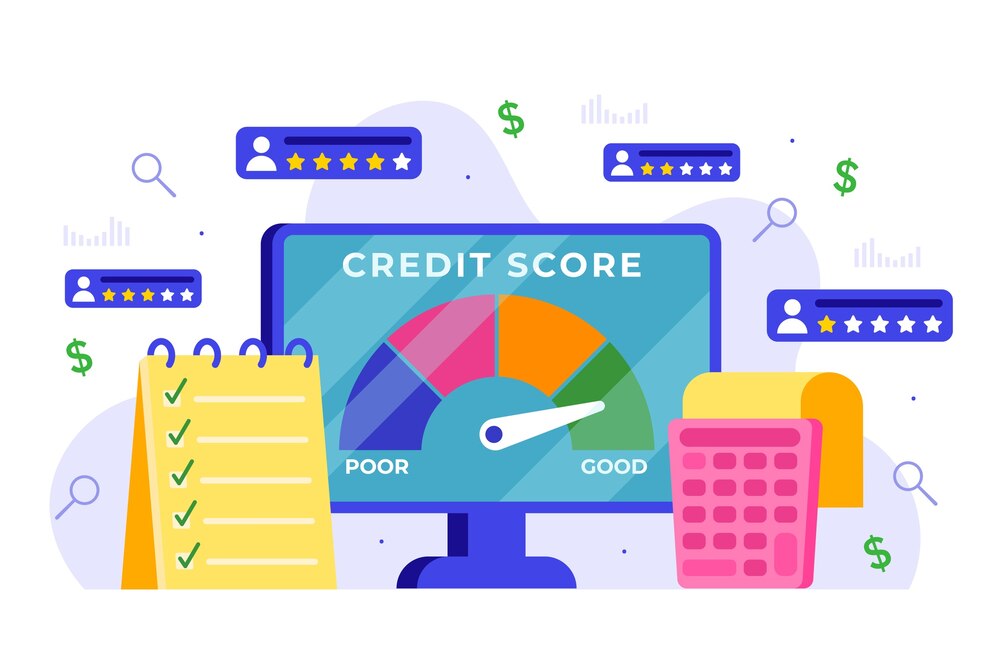
What is CIBIL Score? How to improve CIBIL Score?
What is CIBIL Score? Is it a number? Is it your score on a test? Or from a game you played as a kid? Well, it’s not really any of these. You see, CIBIL stands for Credit Information Bureau India Limited and is used by Indian financial institutions to compute your credit score. This score is generally referred to as the CIBIL Score. The numbers range from 300 to 900, and the higher you are, the better it is. Learn Finance the Right Way What is a credit score? This is a three-digit number that goes from 300 to 900. It determines your credit risk or creditworthiness, i.e., how likely you are to pay your EMIs and credit card dues on time. Credit bureaus such as TransUnion CIBIL, Equifax, and Experian publish credit reports and credit score that helps financial institutions to help assess the creditworthiness of the loan or credit card applicant. There is nothing to worry about if you don’t know how to check your credit score/CIBIL score. You can go to the official CIBIL website to check your credit score. Payment history, the debt amount, and the credit history timeline can be found in your credit report, impacting your credit scores. What is CIBIL Score? Your CIBIL score is the primary thing any lender will look at to evaluate your loan application. A good credit score means that you have responsibly handled credit. A CIBIL score ranging from 700 to 900 is considered a good credit score. Your CIBIL score affects more than just loans — it increasingly affects your ability to open certain financial accounts and access investment platforms too. If you’re building your financial foundation from scratch, understanding how savings accounts work alongside credit is a useful starting point: Savings Account — Advantages and Disadvantages. This makes future lenders confident that you will be able to pay back the dues on time. Here’s how the CIBIL Credit score is segregated: <600 Low 600-649 Difficult 650-699 Possible 700-749 Good 750-900 Excellent As per the CIBIL website, there is a 90% chance that individuals with a CIBIL of above 750 will be granted loans. Importance of good credit score We have seen that a CIBIL score above 700 is considered to be a good CIBIL score. But what is the importance of a good credit score? Let us find out in this section. Better chance of getting a loan It is important to understand that other variables play a role when applying for a new credit card or loan. Lenders also analyze vital variables such as the income, existing debt of an applicant. So, having a good CIBIL score isn’t the only parameter. However, having an excellent CIBIL score can make you more confident while applying for a loan or credit card. Get the best interest rates Individuals with high CIBIL scores can qualify for the best interest rates. It is because lenders see the individual as a financially responsible person who can pay the dues on time. So, the low interest rates help people with good CIBIL scores save money on their loans. Ability to bargain Having a good credit score means that you will pay less for a credit card or a new loan. If you need extra negotiating leverage, you can use other appealing offers based on the credit score that you’ve gotten from other financial institutions. Creditors are unlikely to compromise on the loan interest rate if you have a poor credit score as you may not have any alternative credit offers or possibilities. Get approval for higher limits Your borrowing power is based on how much money you make and how good your credit score is. Banks are more probable to let you borrow more money because you have shown that you pay your debts on time. Having a good credit score is one of the benefits of having a good credit score. How to improve CIBIL Score? We have seen the importance of a good CIBIL score. Having a good CIBIL score is an important element of adult life. But what if your CIBIL score is low? Let us know how you can improve your credit score. Check CIBIL Score: Checking your CIBIL Score and Report should be the first thing on your to-do list. It is because checking your CIBIL report can help you to understand the reason behind your poor to average CIBIL score. Your CIBIL score may have taken a toll due to a wrong entry, or someone might be misusing your personal details. You can figure out the problem areas after carrying out a detailed analysis of the credit report. Not applying for multiple loan products You may be tempted to apply for a loan at a different bank or NBFC if a financial institution rejects your loan request. But, hold your horses. When you apply for personal loans, credit cards, home loans, or any other type of debt, financial institutions do a hard pull to review your credit record to make a subsequent loan decision. Multiple hard inquiries have a basic problem in that they cause lenders to build a bad image of your credit behavior. Too many hard inquiries in a short period of time portray you as a credit-hungry consumer with a high-risk quotient. When presented with high-risk profiles, most lenders would either reject the application or give a ridiculously high rate of interest, which is simply not what you are looking for. Pay loans on time If everything looks fine, late payment of loans or credit card dues can impact your credit score. So, if you are prone to postponing payments to the last moment, opting for auto-payment of credit card bills and loan EMIs can be a better option. Moreover, many credit card holders fall for the minimum required payment. It is nothing but deferring your payments to a later date, which means that you cannot pay your dues on time, which might impact your credit score. Payment history makes up 30%, the highest